


Australia’s Most Comprehensive Range of Lehmann Glassware 🥂🍷🍸 Shop Today

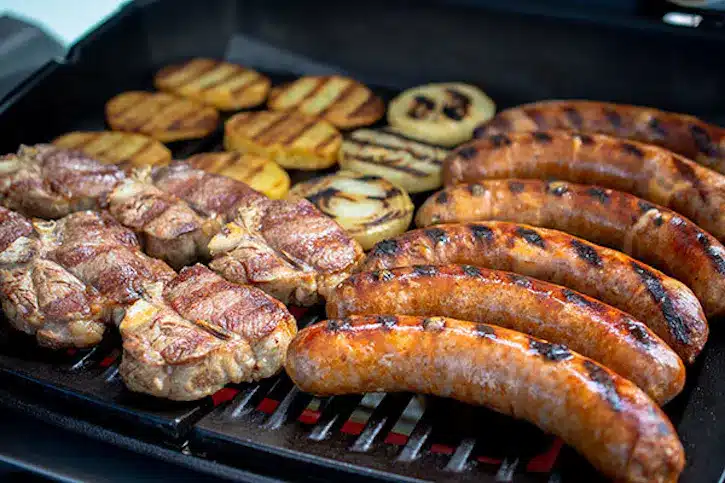
Champagne might not be an obvious choice for these gatherings—usually relegated to the role of apéritif—but if you have great champagnes to play with and friends who are wine lovers, there’s no reason not to have a couple of bottles for feasting long into the night.
Here are our tips for pairing champagne with Aussie BBQ staples!
Whether cubed, thinly sliced Korean BBQ–style or cut thick as juicy steaks for grilling, tender velvety cuts of beef are the crown jewel of any BBQ lover’s mise en place and the ultimate crowd-pleaser. Blanc de Noirs champagnes and champagne rosés that have a high percentage of Pinot noir or Meunier in the blend will work best with beef (particularly fattier cuts like porterhouse or tender cuts like sirloin). Their natural acidity cuts through the soft, buttery, melt-in-your-mouth texture from the marbling (especially if you have Wagyu), and their richly expressive palate and robust structure will stand up to the intense flavours of the meat. For the finest cuts of beef, pair with complex, aged champagnes and champagne rosés for an exceptional culinary experience.
If you have a lamb roast or some lamb chops on the menu—or even duck—gastronomic champagne rosés have the generosity and vinosity to support these stronger and more complex flavours. They’ll also hold up against smoky American BBQ. For pork and veal, a fruity, plush and easy-going Meunier-dominant champagne will complement the subtleties of the meat.
When serving up BBQ chicken, it’ll likely be marinated or come with a tangy sauce to boost the mild flavour of the meat. These marinades and sauces tend to work particularly well with Extra Brut non-vintage cuvées that have undergone extended lees ageing, as these wines have the added structure and depth to carry these dishes.
Sausages, the staple of any Australian BBQ, are made from a wide range of types and cuts of meat and an endless array of herbs and spices. They also vary in texture, fattiness and flavour; therefore, a well-balanced Brut non-vintage champagne blend will have the character and palate weight to contend with the diverse aromatic profiles of your favourite snags.
Seafood is an obvious pairing with champagne (oysters are a classic pairing, of course). When you grill white fish or shell fish, the delicate flesh takes on rich and smoky aromas, yielding sweet, firm, buttery meat; these are a perfect match with refreshing, citrus-driven Blanc de Blancs champagnes, especially when the seafood is finished simply with a pinch of salt, a crack of pepper and a drizzle of lemon.
However, if you are cooking naturally oily fish—such as salmon and tuna—or creamy, succulent lobster, the heavier body and higher intensity of a richer champagne style may be needed to hold up against the more decadent flavours and luxurious textures. Think savoury and structured champagne rosés, opulent vintage Blanc de Blancs and mouth-filling, Brut or Extra Brut champagne blends with decent proportions of reserve wine.
Traditional BBQ side dishes, such as grilled vegetables, slaws and creamy potato and pasta salads, pair exceptionally well with champagne’s innate acidity and refreshing effervescence, which cuts through the fattiness of mayonnaise-based salads to cleanse the palate while also matching the acidity of vinaigrette-tossed greens. For fresh and aromatic salads that combine creamy and acidic elements, such as a Caprese salad or a pear and rocket salad with blue cheese, the champagne and food match is taken to even greater, more satisfying heights that will keep you coming back for more!
So, whether you’re hosting a joyful summer cookout or contemplating food-friendly champagnes to take to a family BBQ, delicious grower champagnes are bound to keep glasses refilled, appetites piqued and spirits cheerful all summer long. Enjoy!
Santé et bon appétit!
Discover additional Champagne & Food Pairings and immerse yourself in the art of champagne at the table with my book, Celebrating Champagne: A Wine For All Seasons.
Feature image: weber.com

